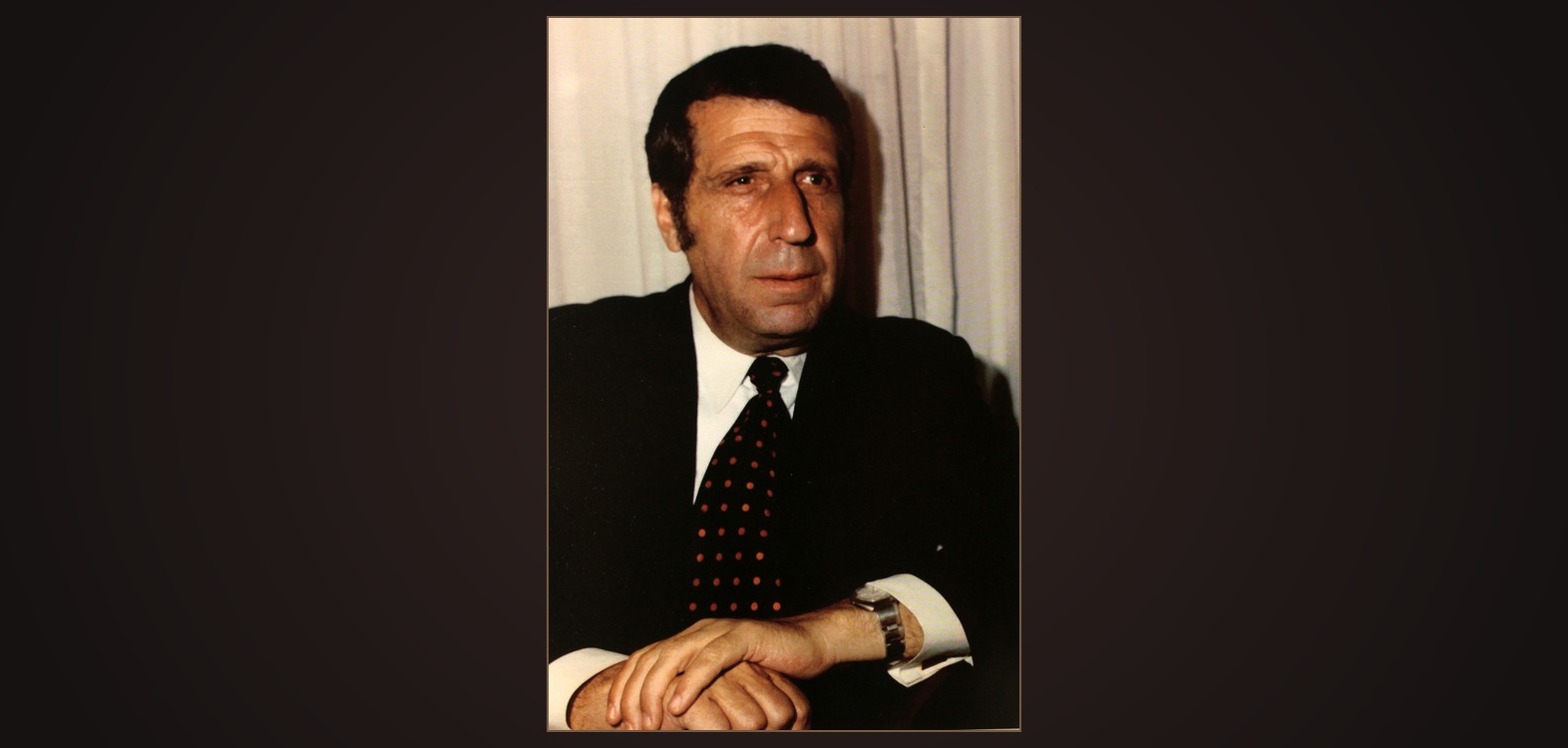
Listen to Arno Babajanyan humming his Nocturne at the piano, and it’s hard to believe the same man wrote the prickly, angular Six Pictures. But he did. In this installment of Heirs of Hayk, we listen to Babajanyan across his full range, from the concert stage to songs that have long since taken on a life of their own.
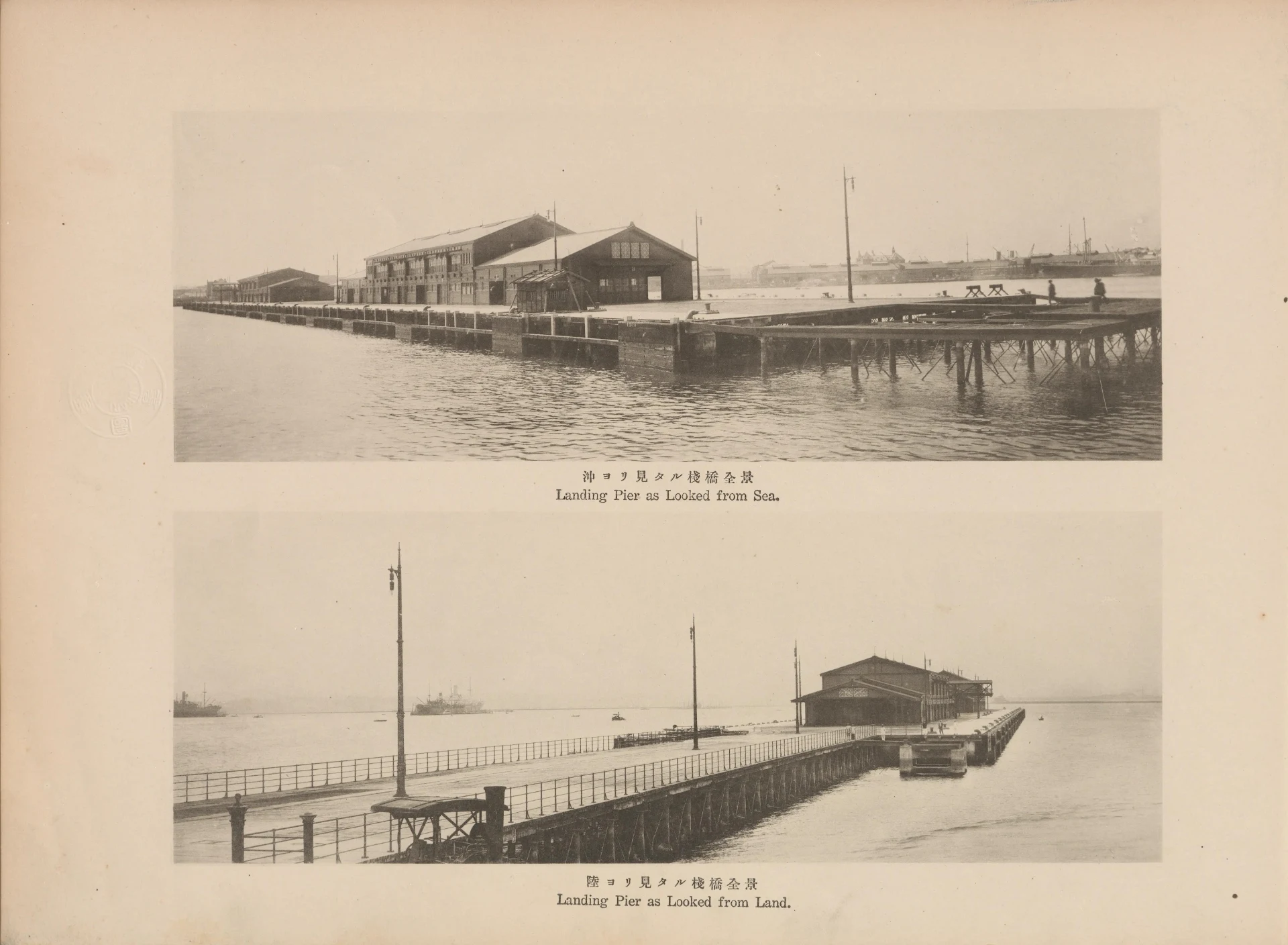
In Yokohama, Diana Apcar wrote to public figures, stood surety for refugees, and helped people continue their journey. Her story through letters, records, and historical photographs.
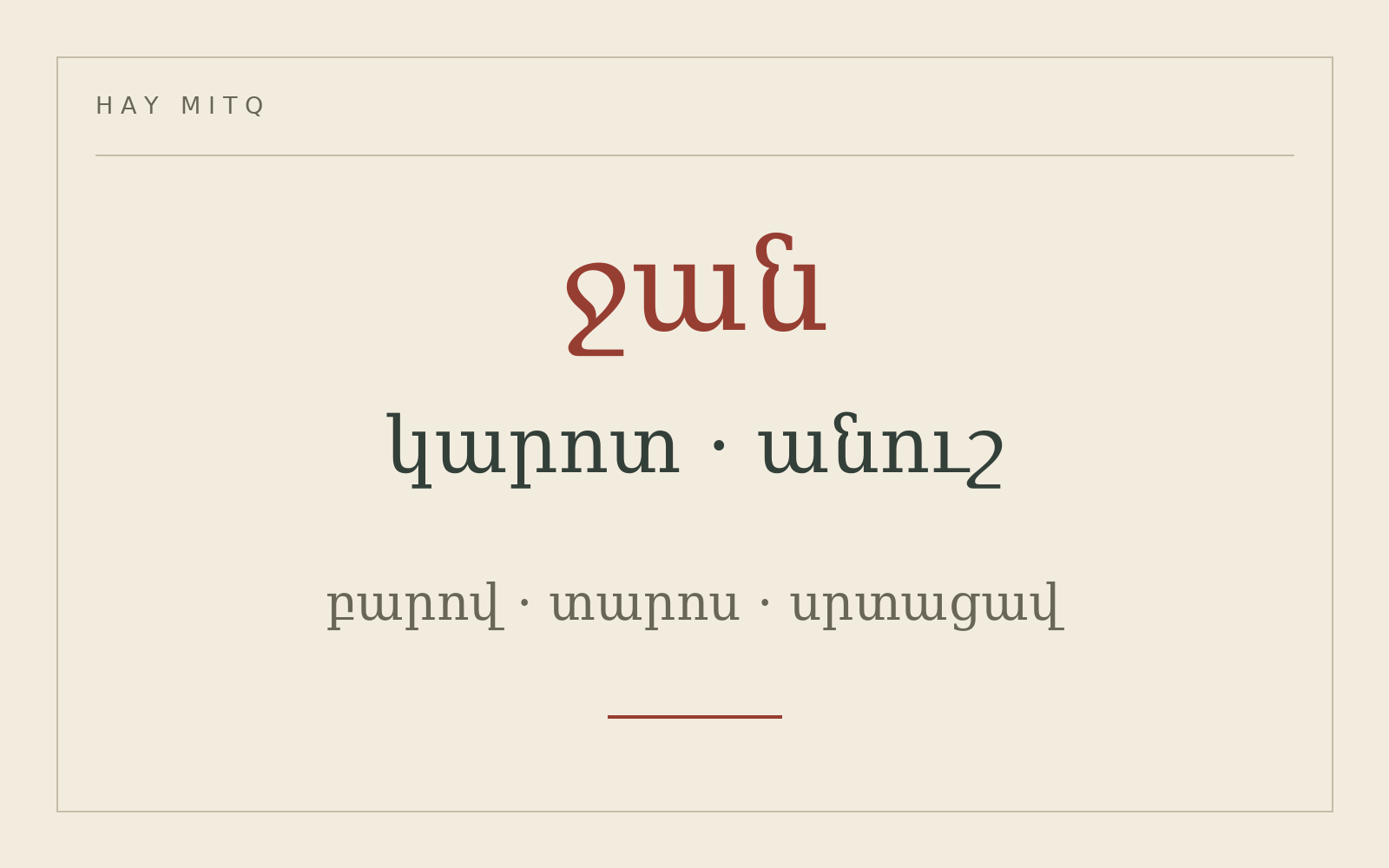
From ջան and կարոտ to ցավդ տանեմ: how Armenian words express affection, longing and care, and why a natural translation sometimes takes a whole sentence.
Armenia’s threatened plants, from wild wheat to rare flowers: what the national Red Book tells us about habitats, conservation and botanical diversity.
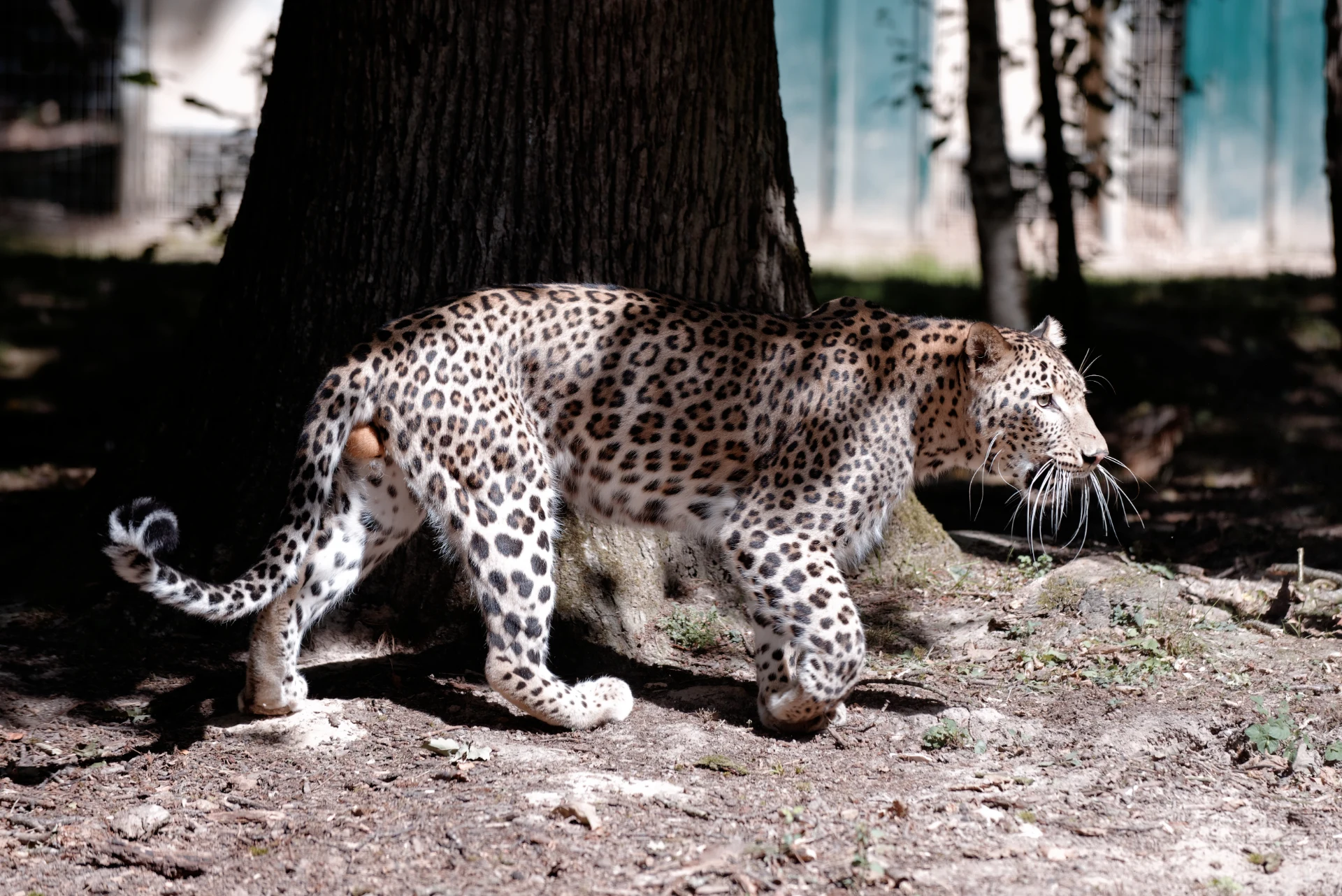
An in-depth journey through Armenia’s Red Book wildlife, from leopards and trout to black storks, vipers and bats, exploring habitats, threats and conservation history.
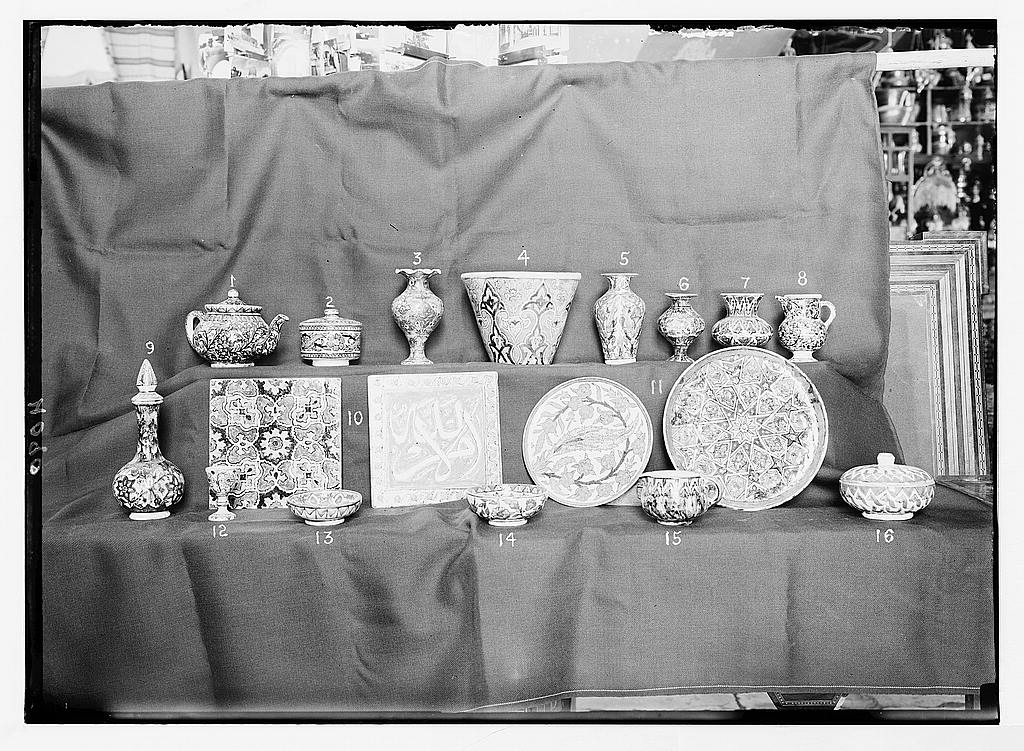
The story of people who survived genocide, found themselves far from their homeland, and created an art that became part of one of the world's oldest cities.
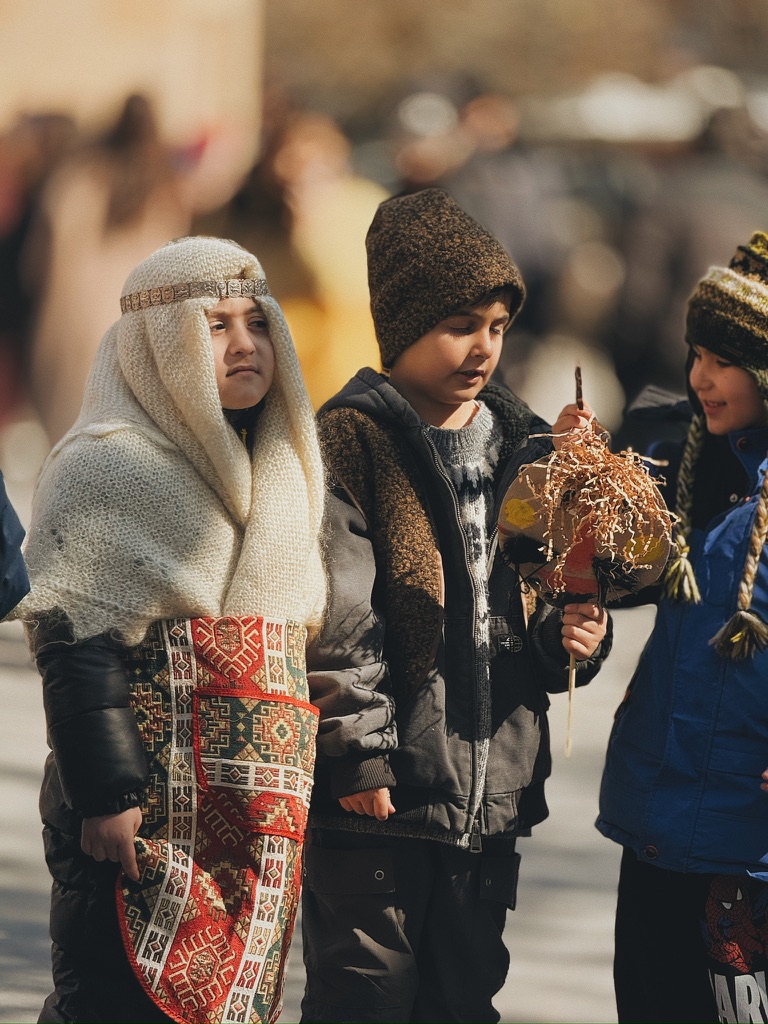
Masks, costumes, jokes, and a festive table may look familiar. But behind them is not an autumn holiday of spooky stories: it is an Armenian tradition marking the approach of Great Lent. Here is how Barekendan brings laughter and prayer together—and how the celebration is changing today.
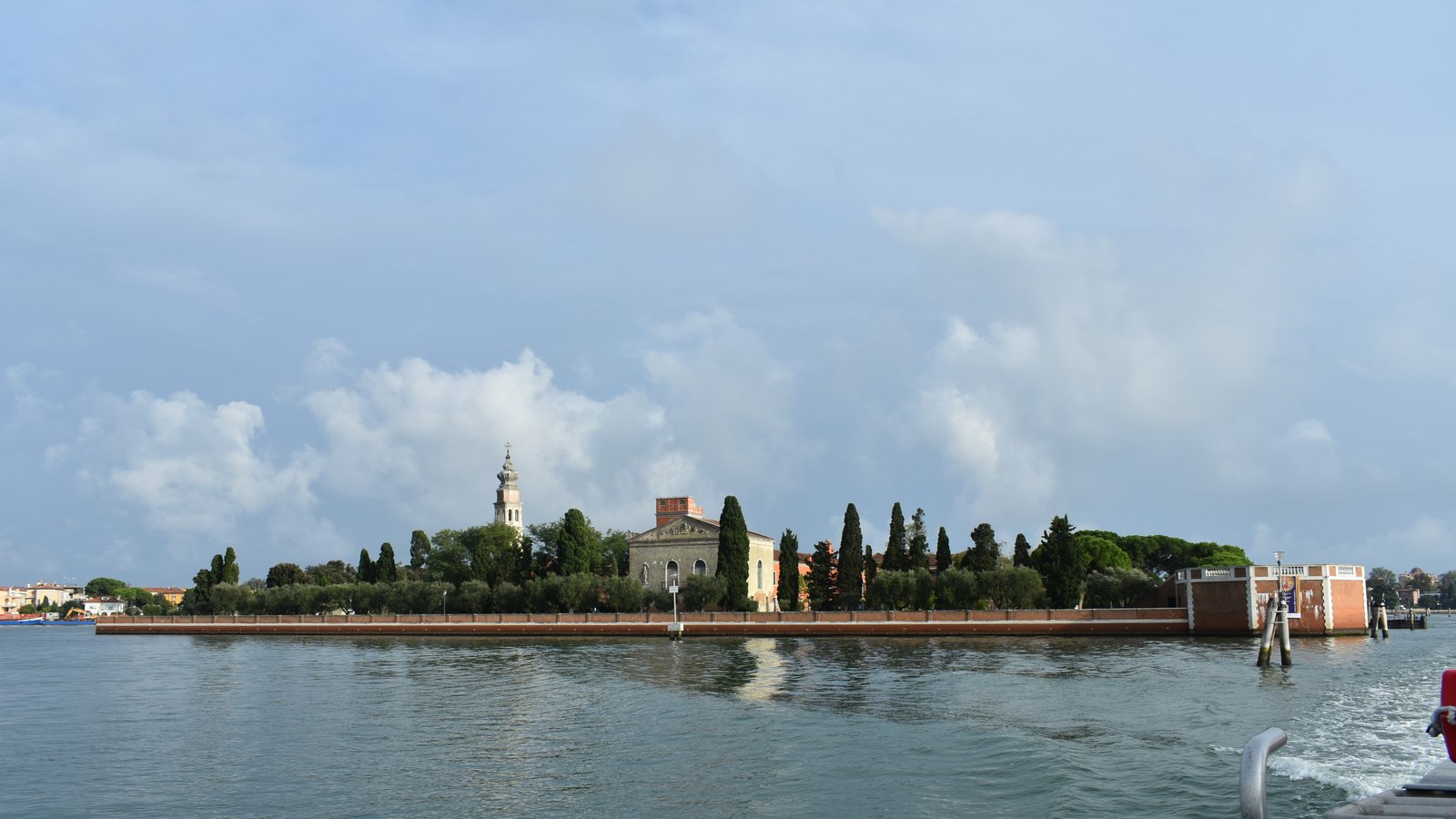
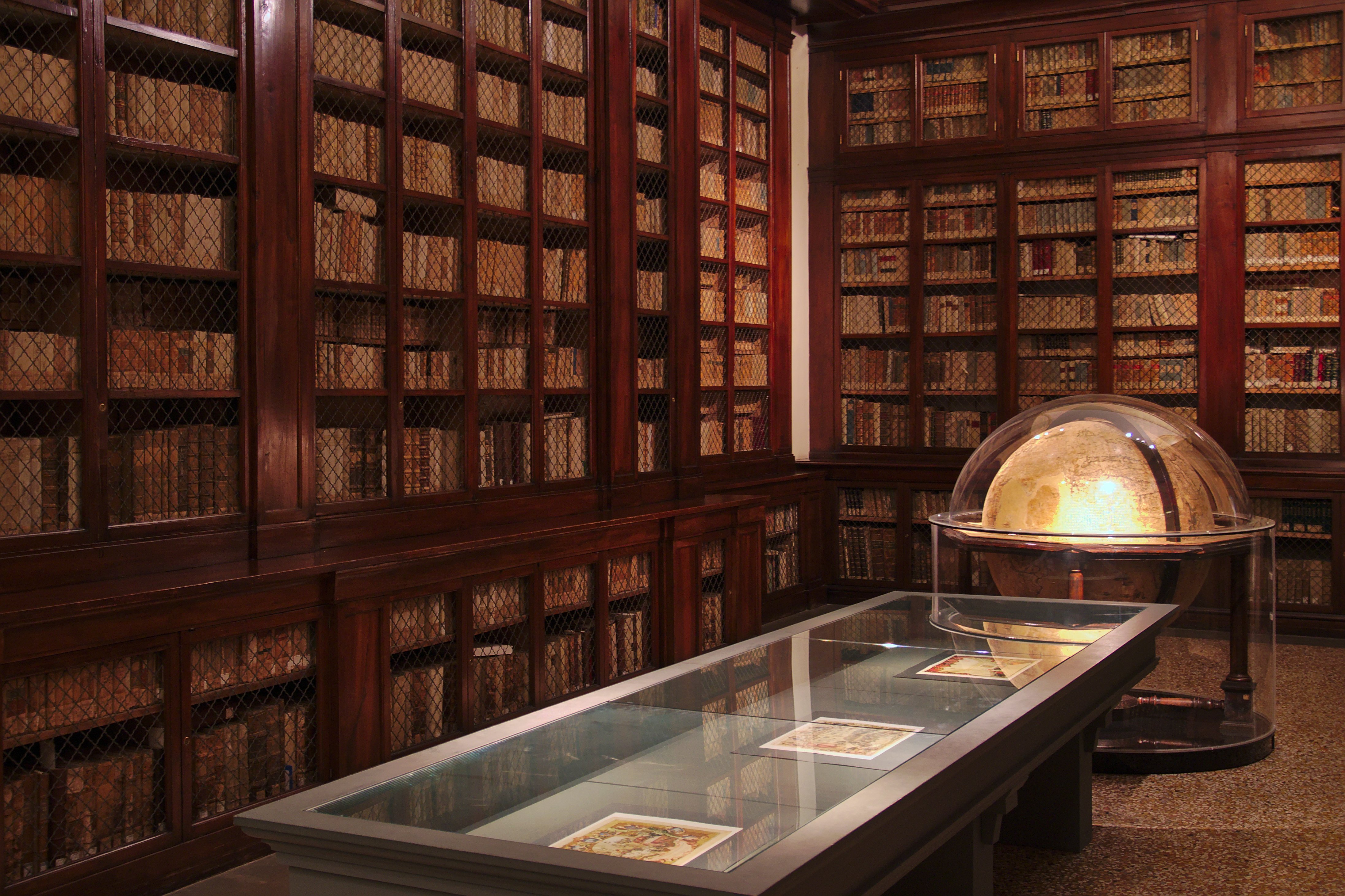
On San Lazzaro, a small island near Venice, Armenian monks built a lasting centre of books and scholarship. The story of Mkhitar, dictionaries, printing, Byron and the work that keeps a culture accessible.
What do the two directions of the Armenian eternity sign mean? Historical examples, masculine and feminine symbolism, life and death, and a source check.
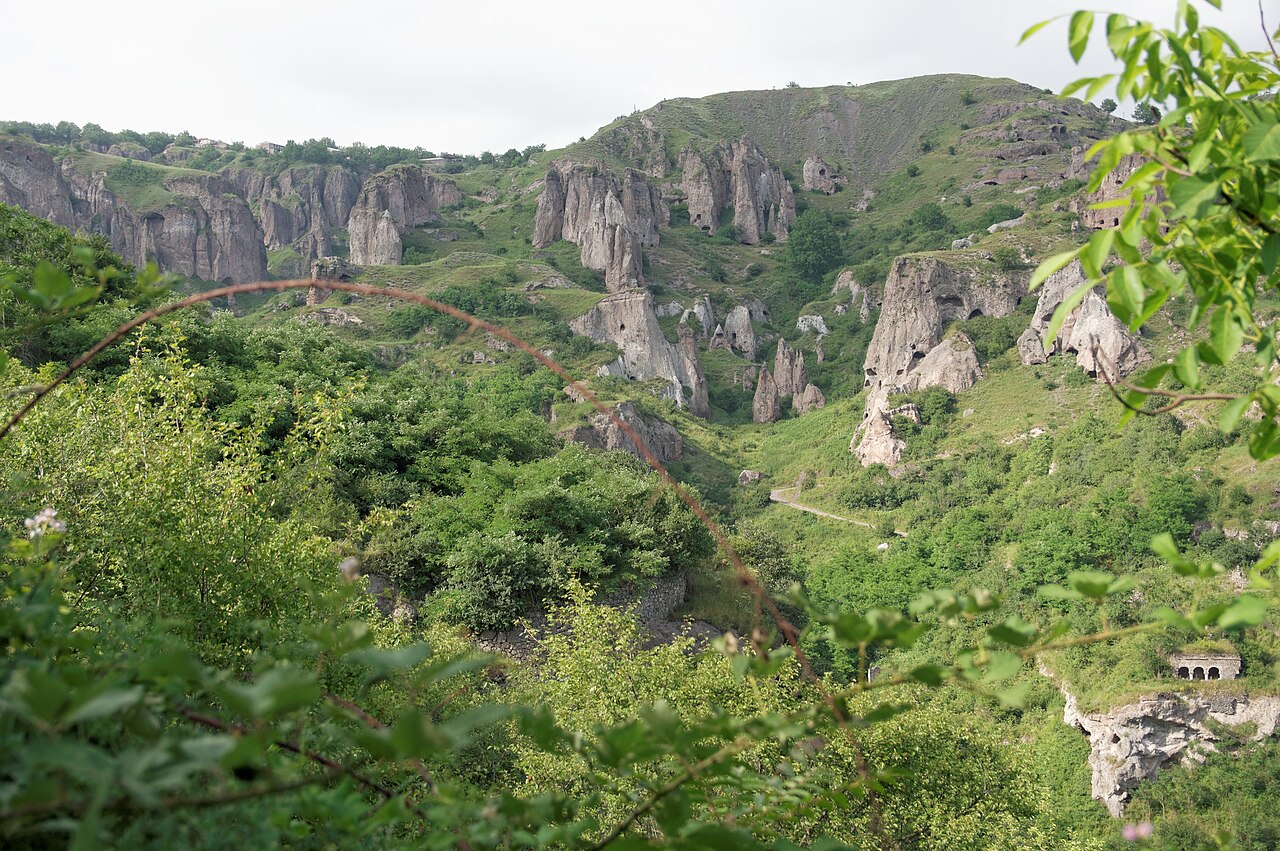
Khndzoresk’s cave homes were inhabited into the 1950s. Explore how rock became a home, where the community gathered and how the old village relates to the new.
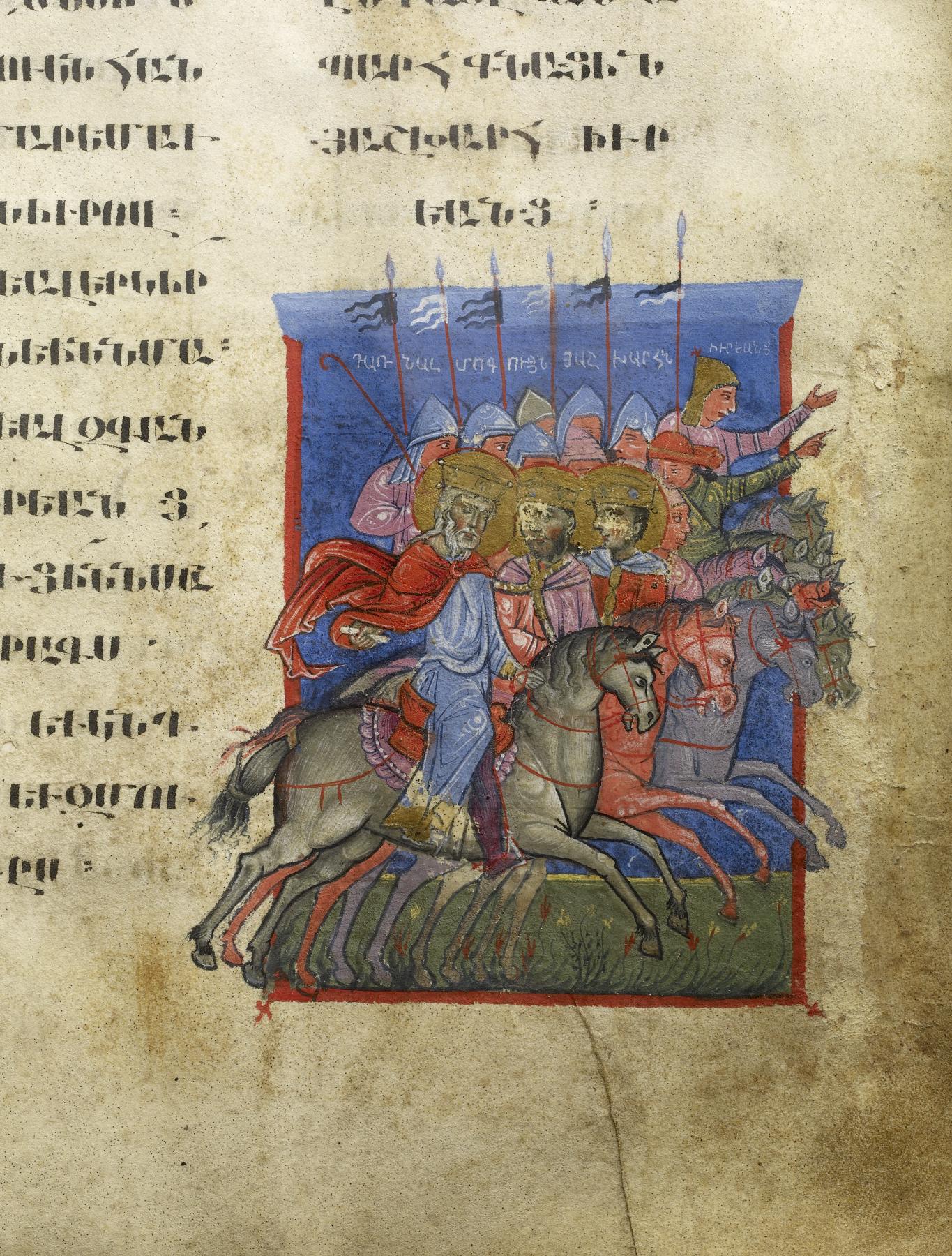
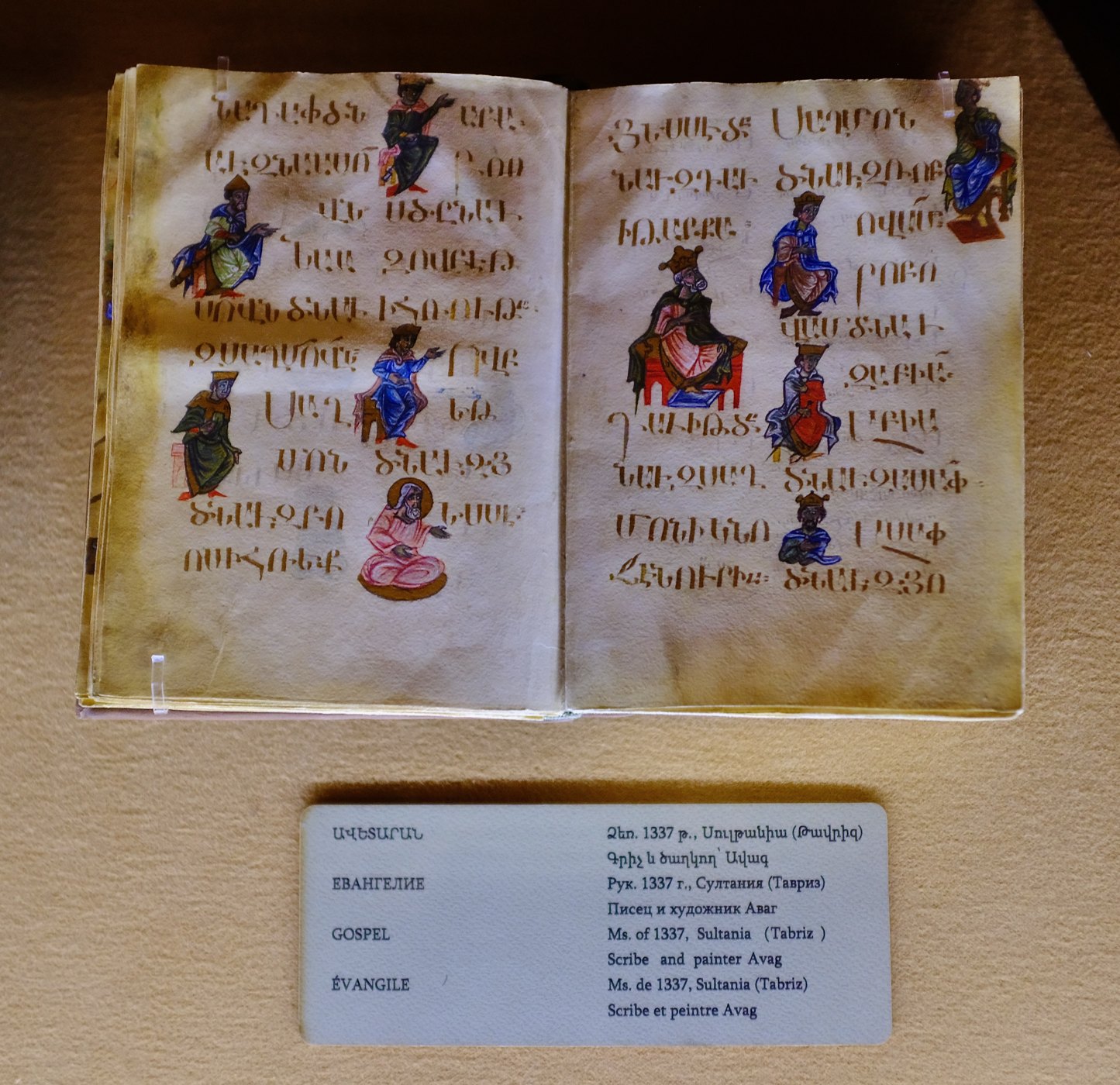
Riders cross a painted frame, a letter becomes an image, and a table guides the reader. A close look at a Gospel book of 1262 and the art of an Armenian master.
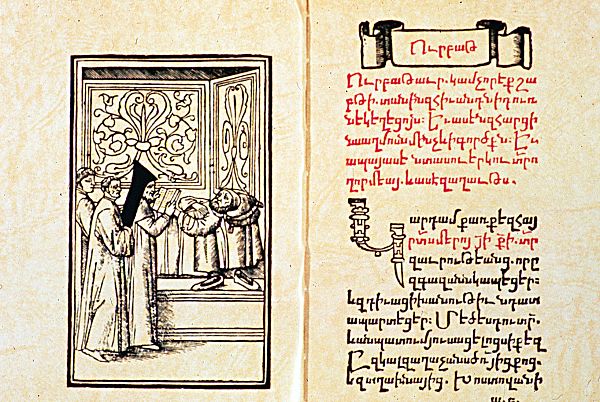
Hakob Meghapart, the Book of Fridays and five small books that opened a new chapter in Armenian culture. Why the story began in Venice and still matters today.
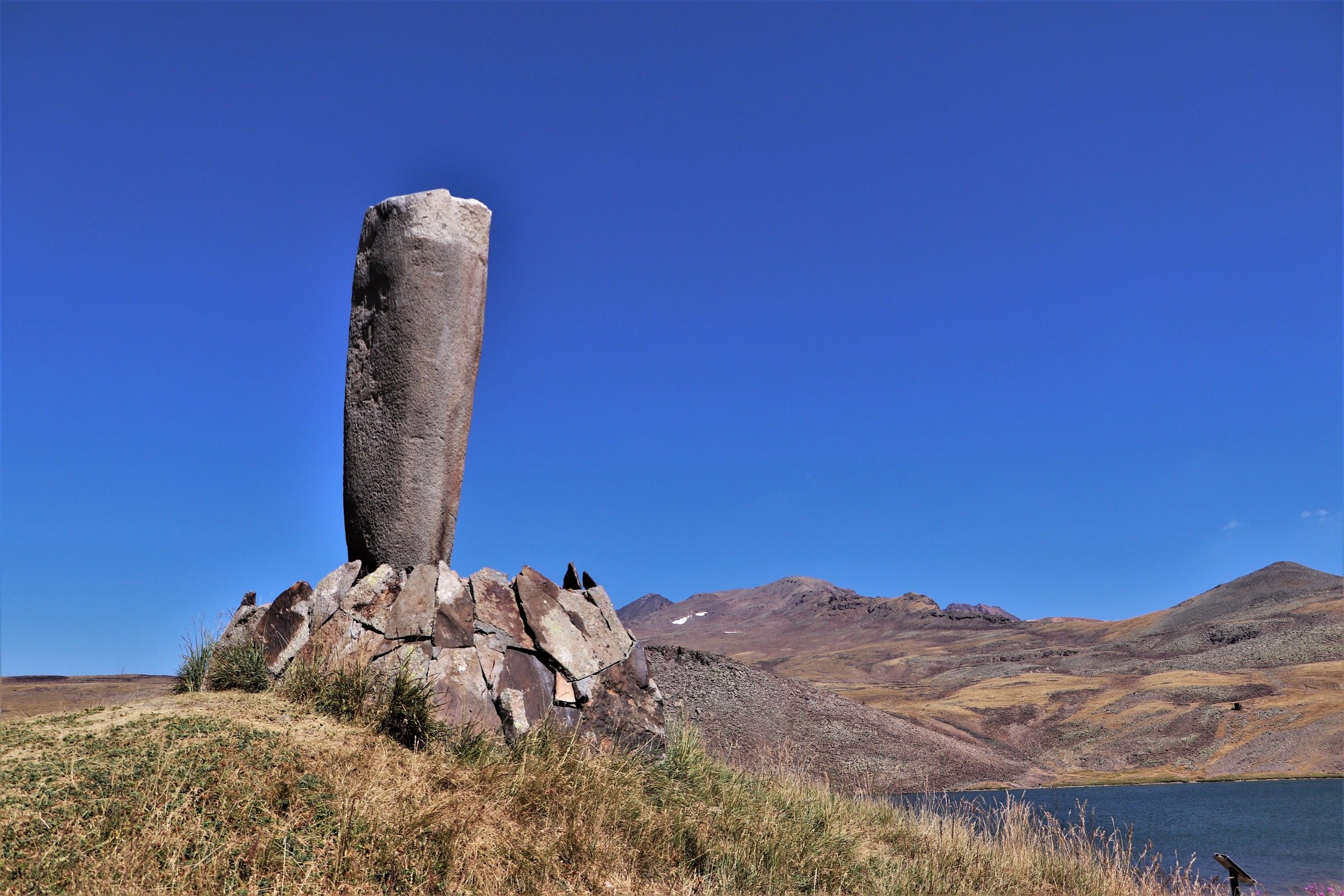
Why did people erect enormous stones high on Mount Aragats? Vishapakars, mountain water and discoveries that help distinguish ancient history from later legend.
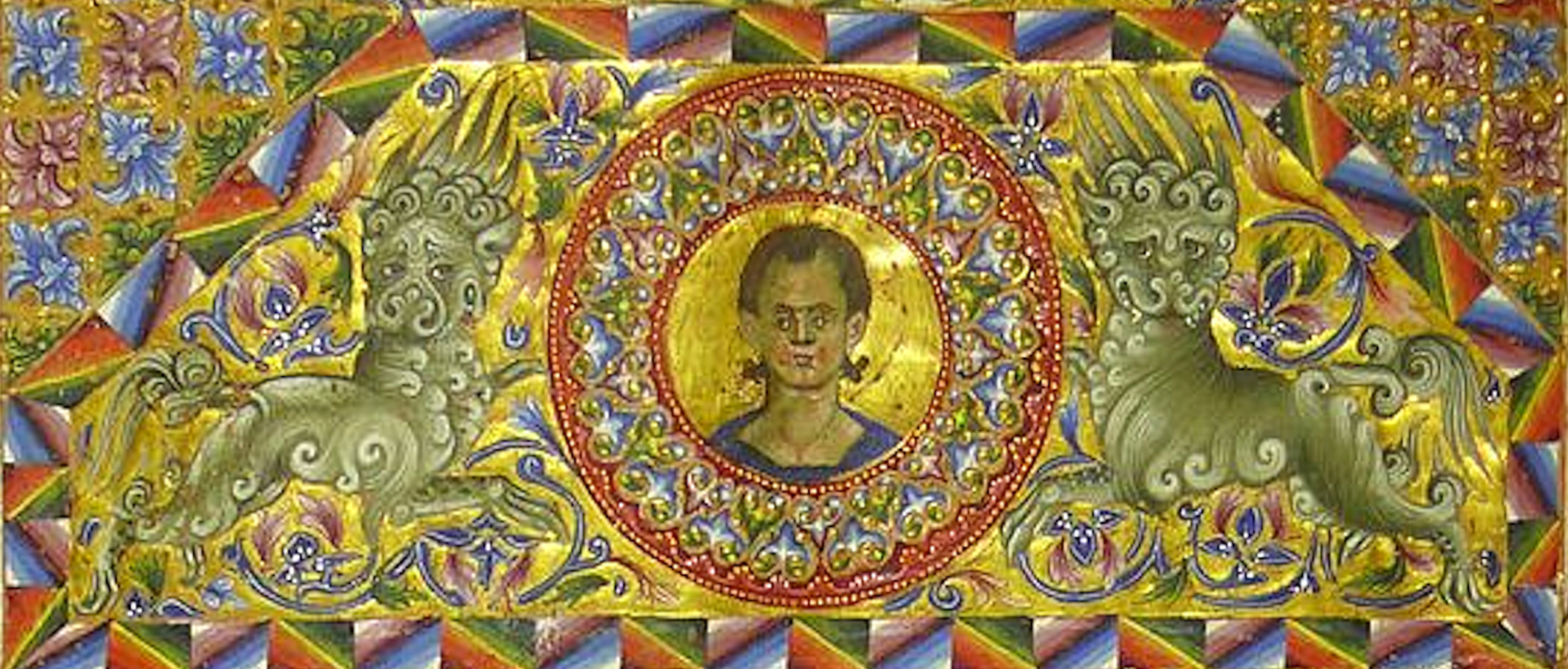
In a Gospel copied at Gladzor in 1323, two dragons open their jaws beneath a branching design crowned with a cross. Their place on the page invites a closer look at the artistry, faith and cultural encounters behind Armenian illuminated manuscripts.
In 1991, an enormous Armenian map was rediscovered in Bologna, exactly three centuries after its creation. It preserves hundreds of monasteries, sacred sites and local histories that no ordinary atlas could contain.
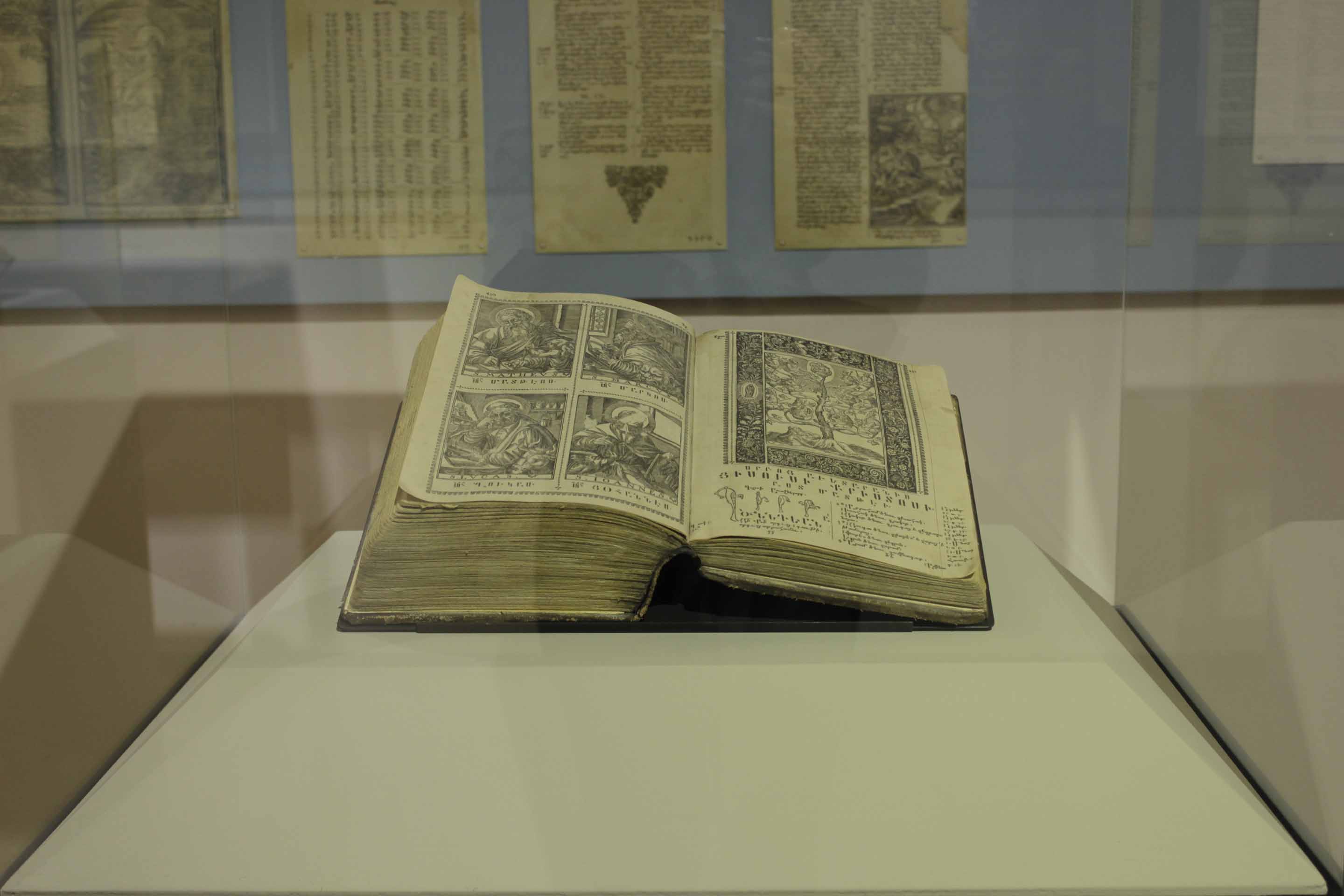
Printing the complete Bible in Armenian took a manuscript made for a Cilician king, the skill of Dutch printers, and funding from the merchants of New Julfa. This is how Voskan Yerevantsi saw a project through to completion when it could have come to a halt more than once.
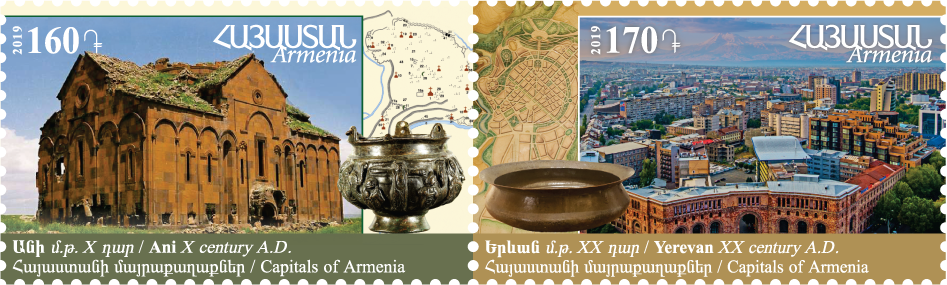
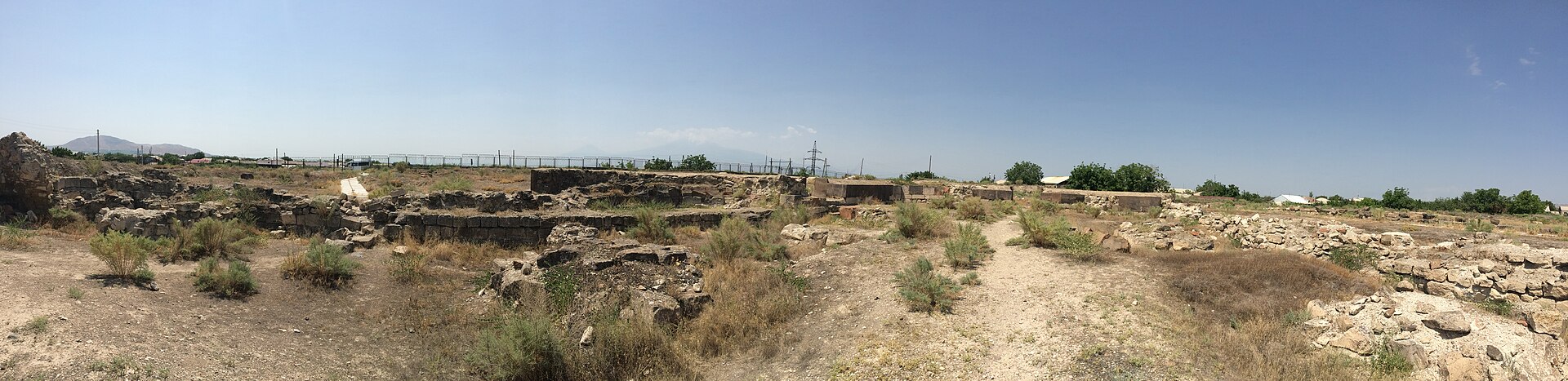
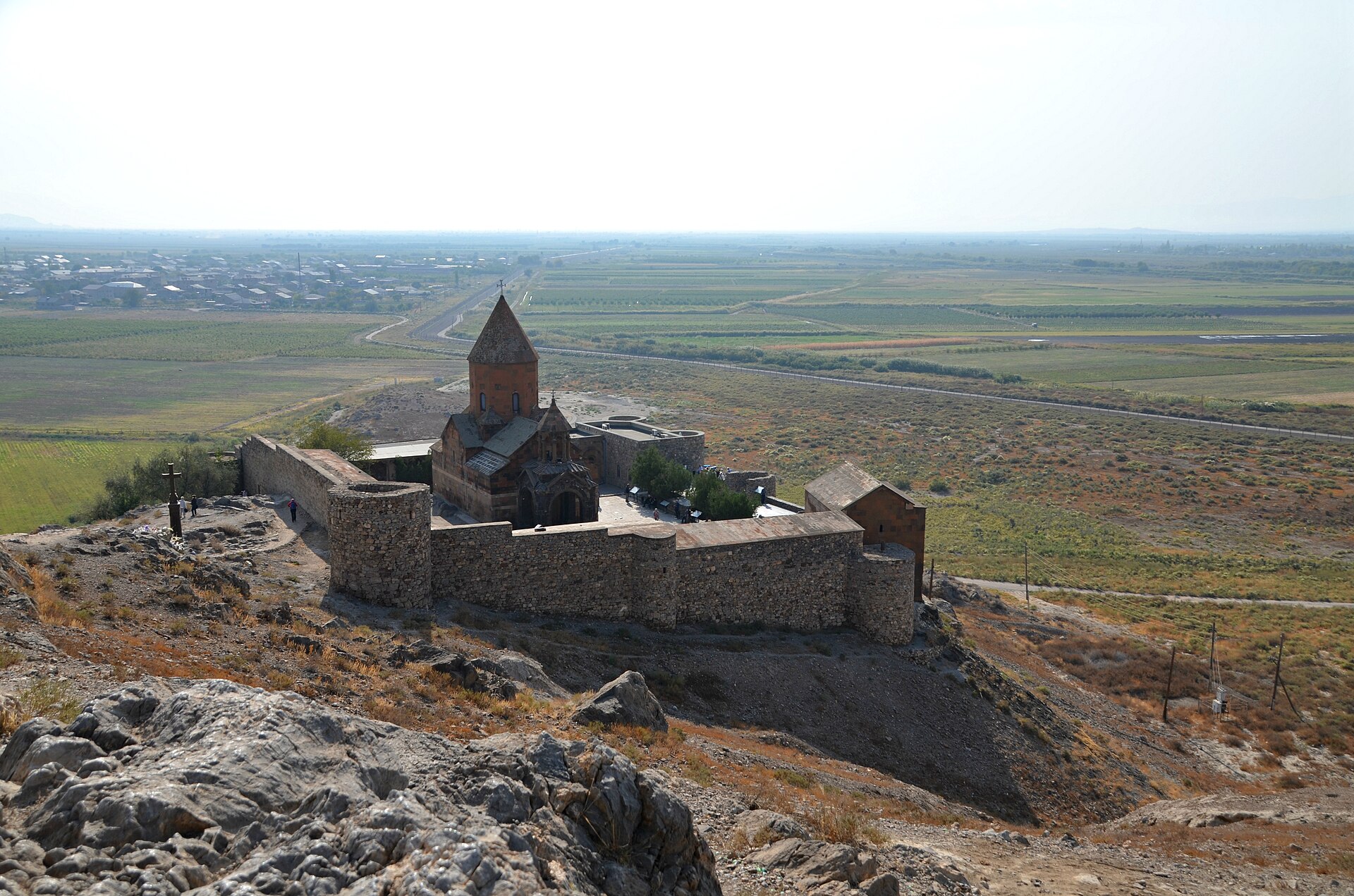
Armavir, Yervandashat, Artashat, Tigranakert, Vagharshapat, Dvin, Bagaran, Shirakavan, Kars, Ani — Armenia’s political center moved again and again over the centuries. Behind each relocation were rivers, trade routes, wars, new dynasties, and changing borders. But what happened to a city after the royal court left?
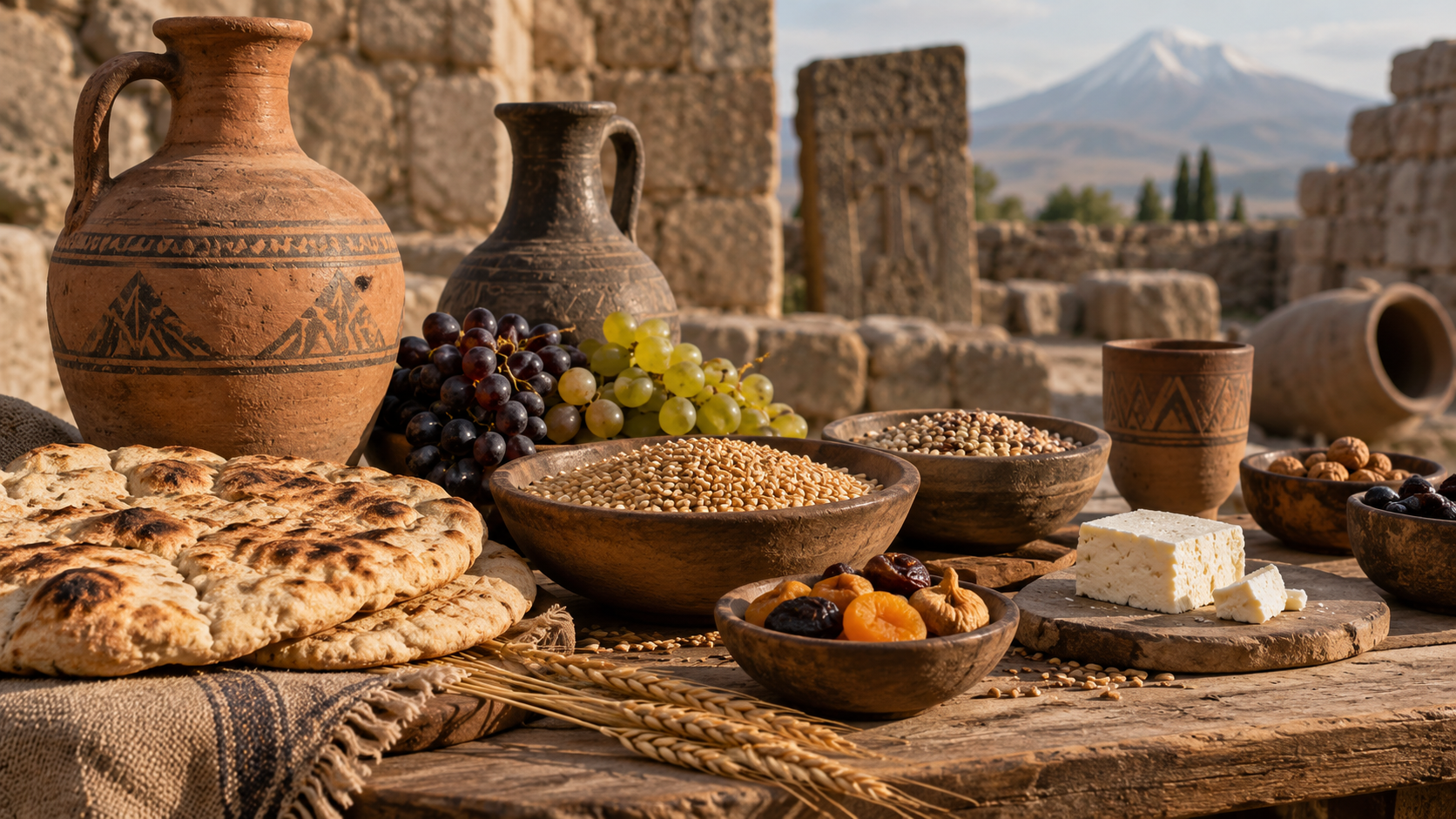
What would have been on the table in ancient Armenia two thousand years ago? Charred grains, animal bones, wine vessels, and kitchen pottery allow archaeologists to reconstruct the diet of the age of Artashes and Tigranes the Great — without relying on legends about “ancient recipes.”
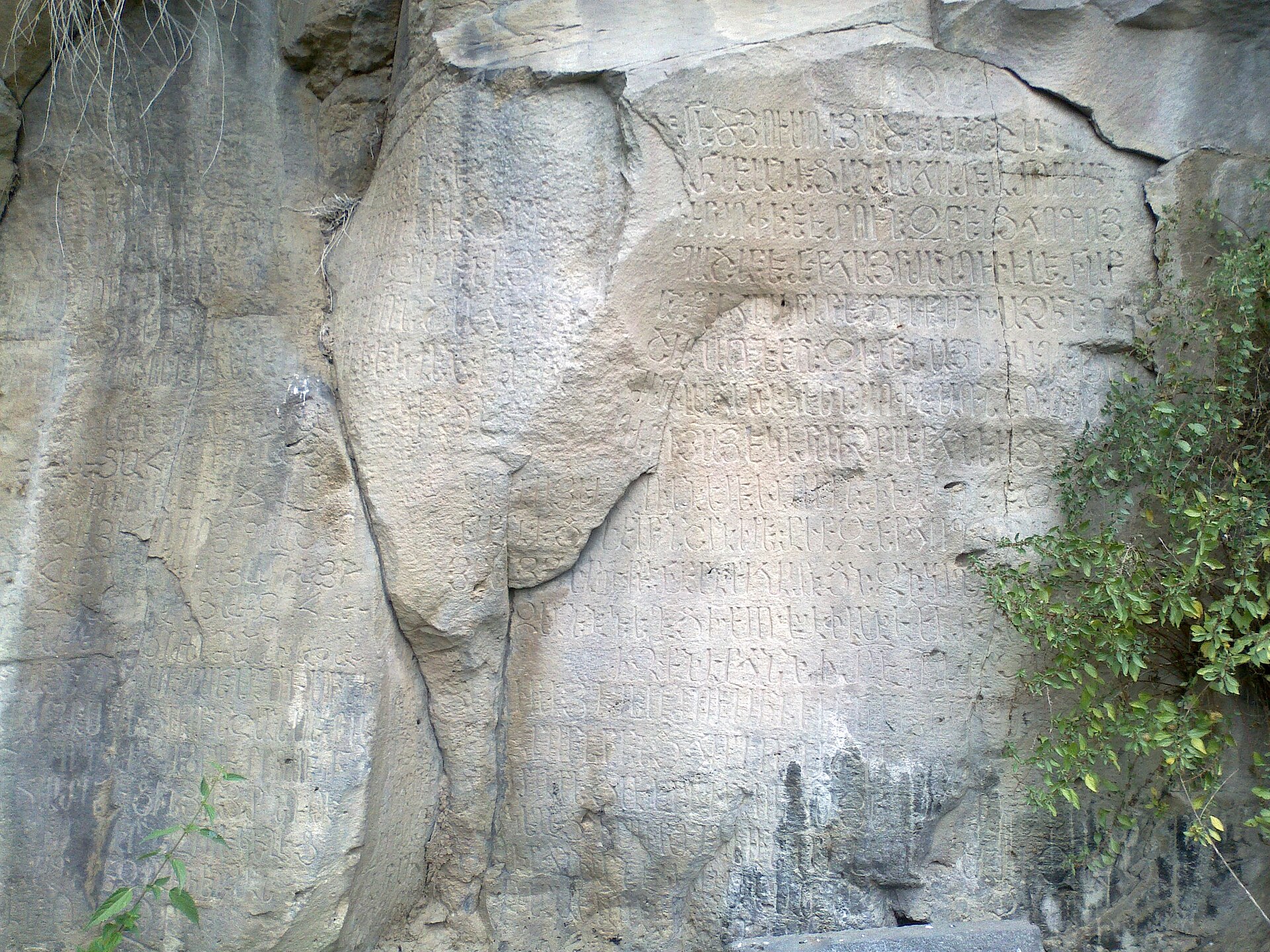
Medieval Armenian walls were more than stone. They preserved names, donations, property rights, prayers, curses against those who broke agreements, and records of construction. These inscriptions allow us to hear the voices of people who lived centuries ago.
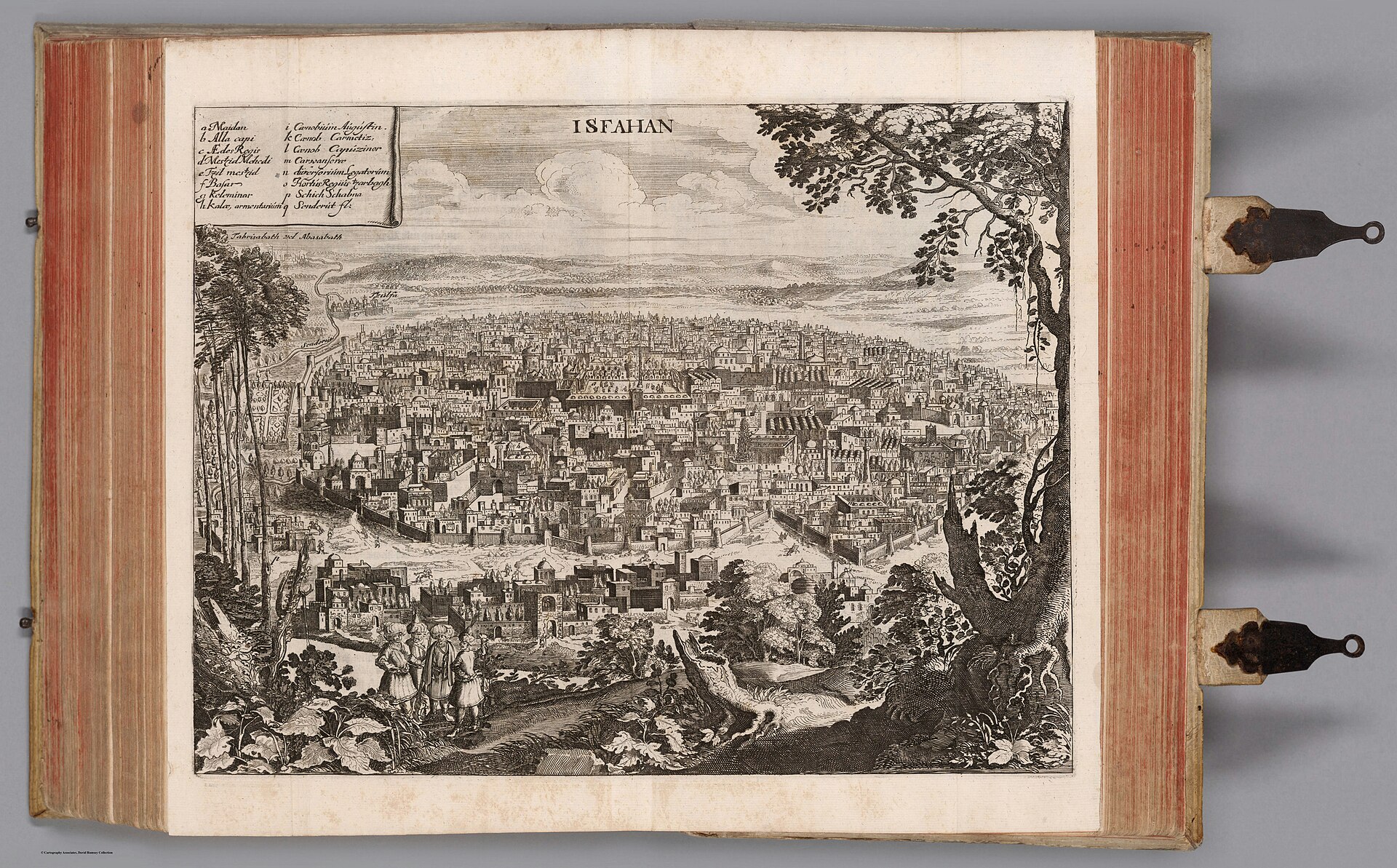
In the 17th and 18th centuries, Armenian merchants from New Julfa built a trading network linking Persia, India, Europe, and the Philippines. They had no fleet or colonial empire of their own, yet major European East India companies actively sought their knowledge, capital, and connections.
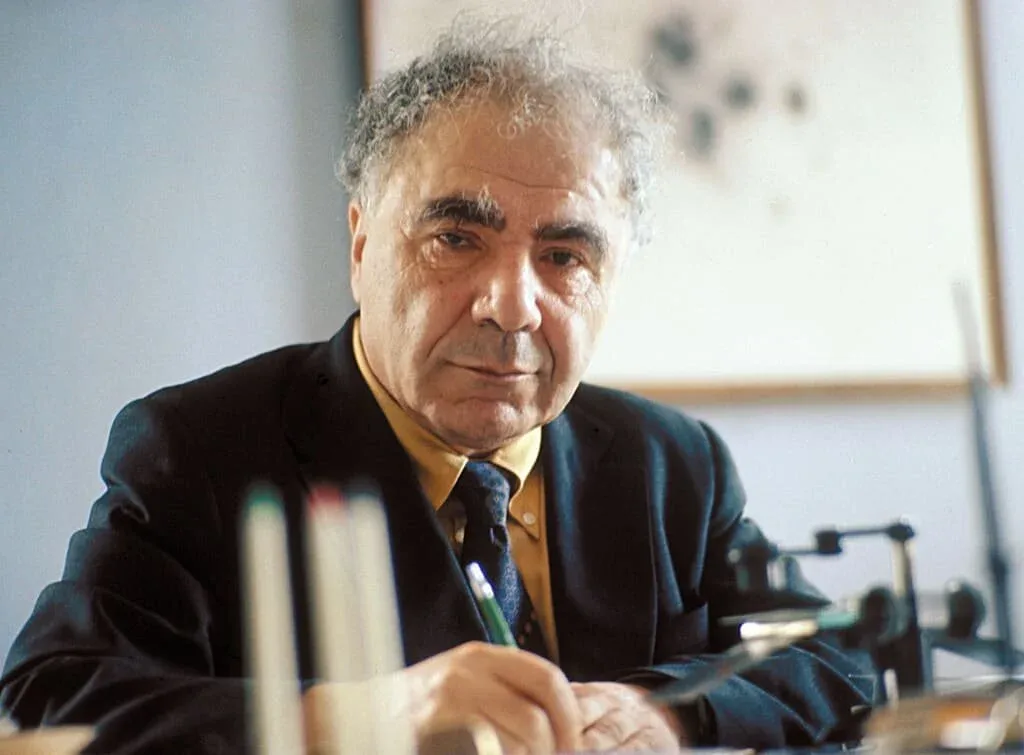
Viktor Ambartsumian changed the scientific understanding of how stars are born, founded the Byurakan Astrophysical Observatory, and helped turn Armenia into an internationally recognized center of astrophysics. How did a scientist born in Tiflis arrive at discoveries that still shape modern astronomy?
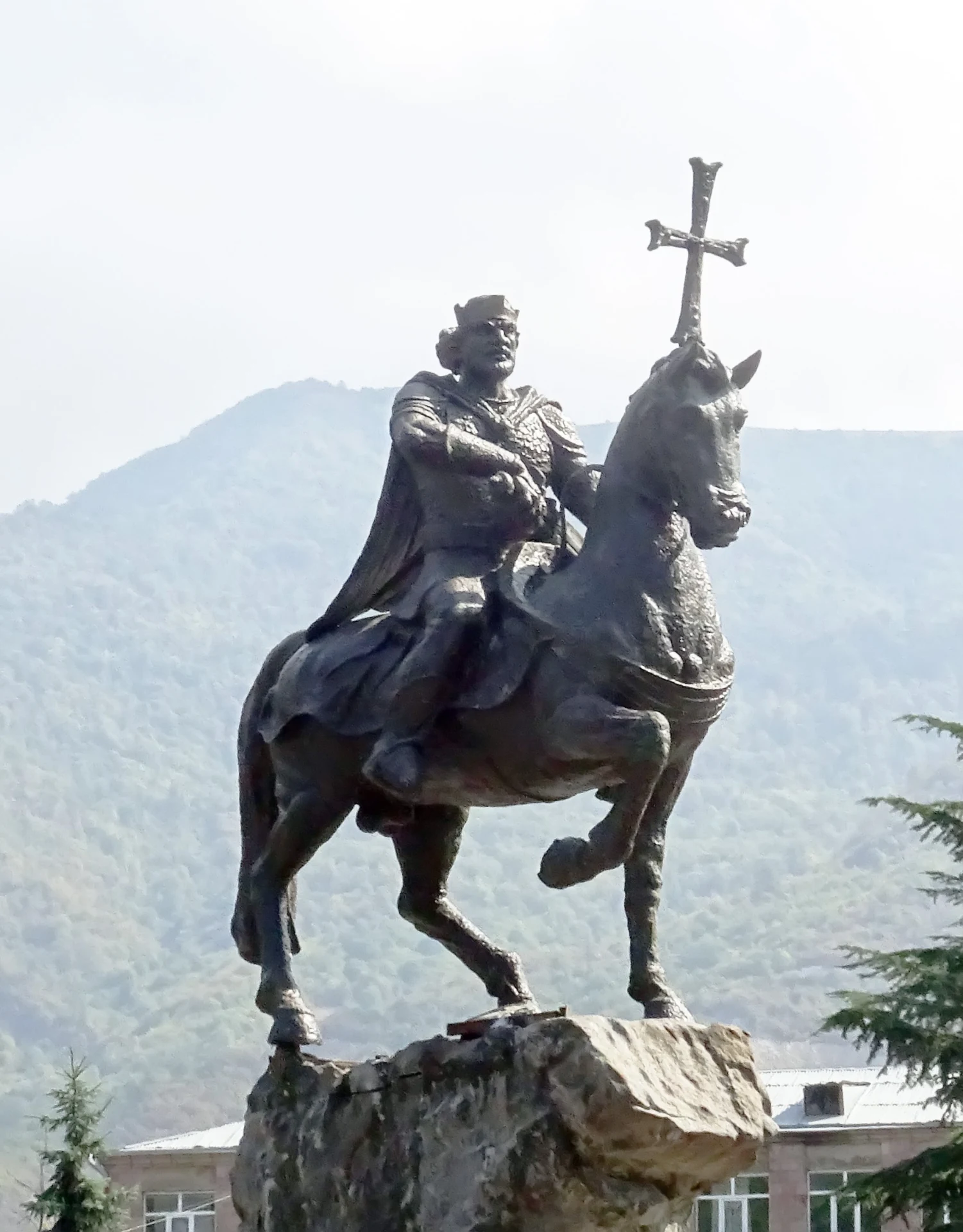
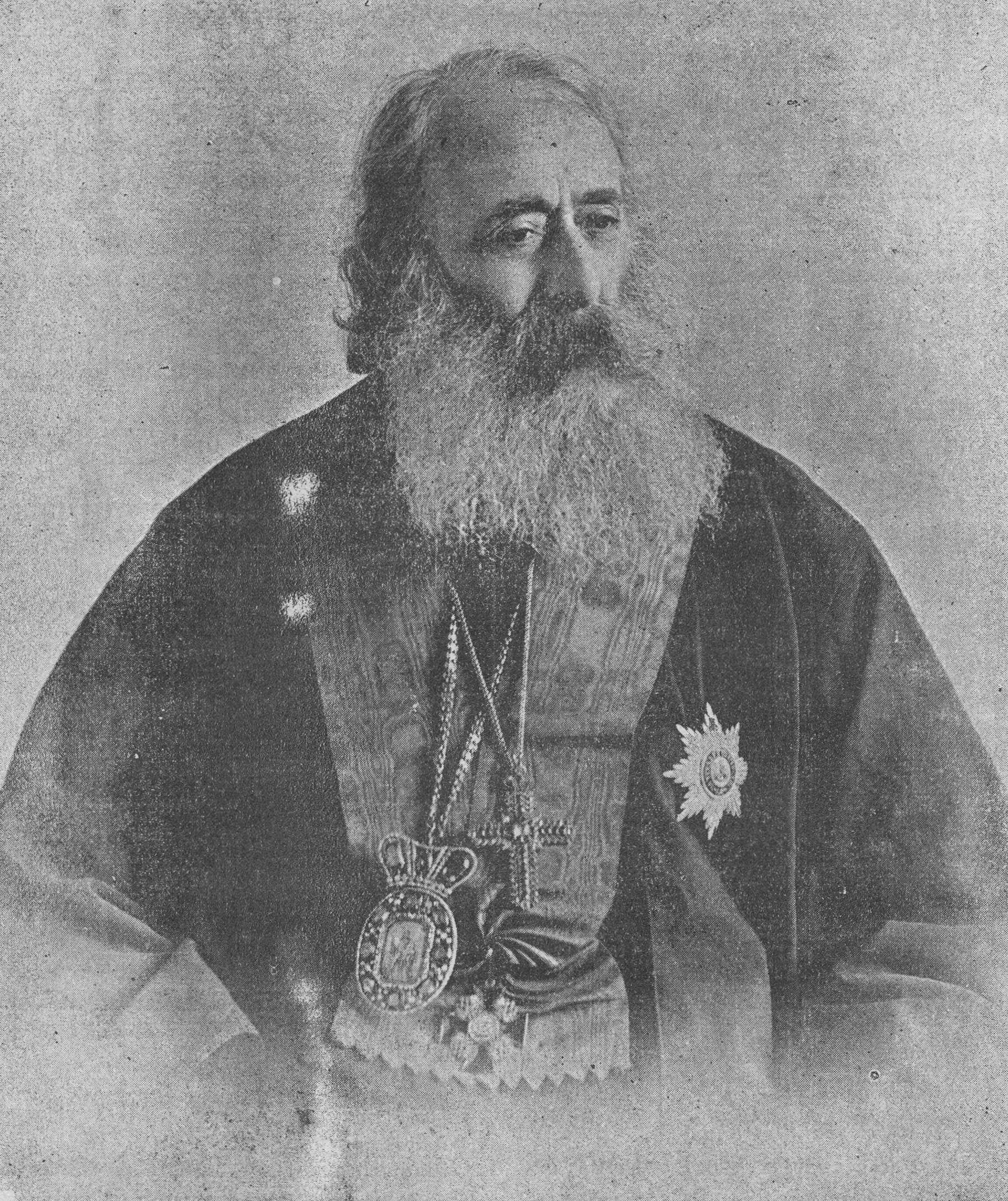
Khrimian Hayrik is often remembered through the parable of the “iron ladle.” But his life also included printing presses, schools, advocacy for rural Armenian communities, and resistance to state control over church property. Who was the man behind the famous story?
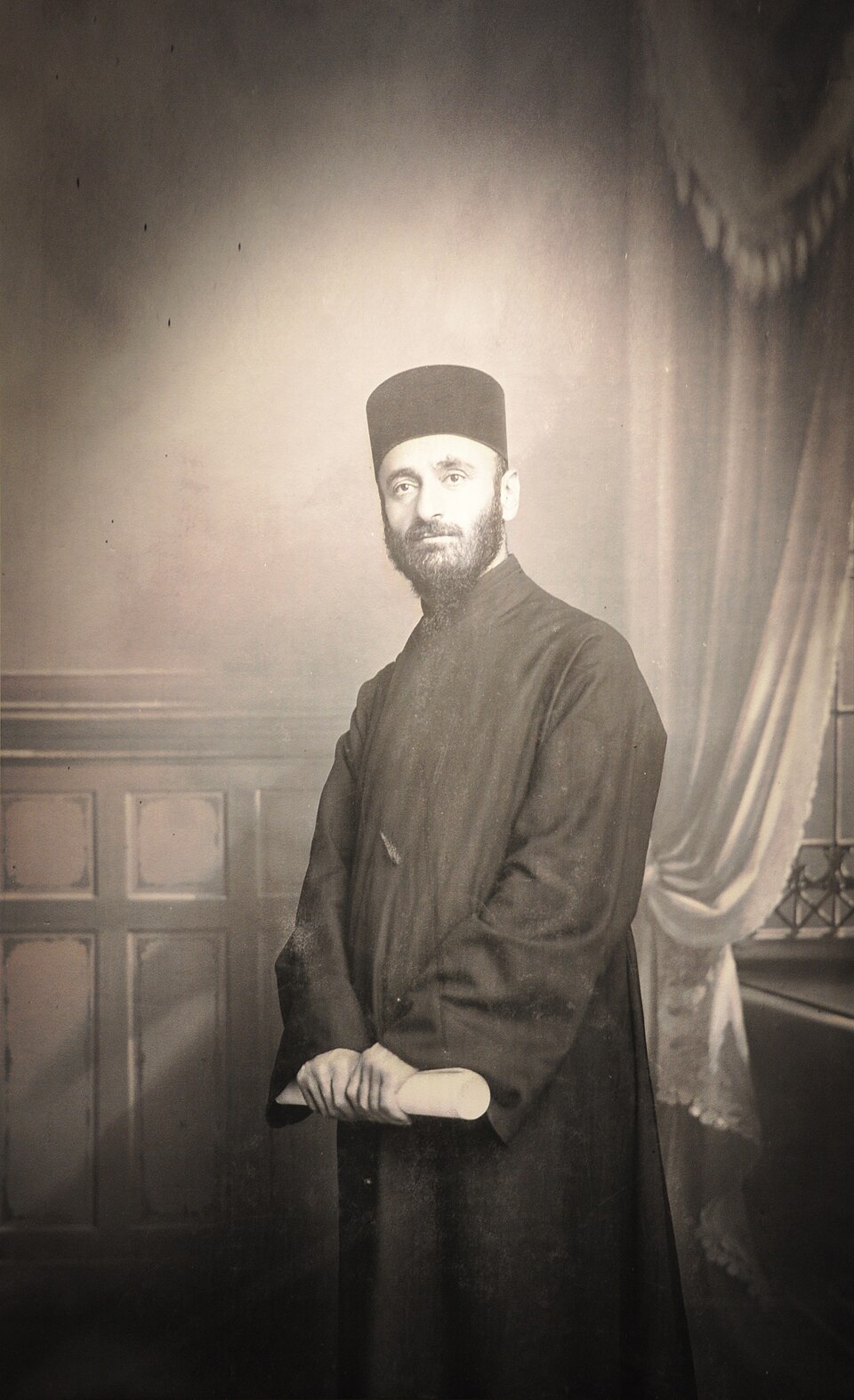
Komitas was more than a composer. He traveled through Armenian villages, wrote down the songs of ordinary people, studied ancient church music, and tried to understand what made Armenian music distinctly Armenian. His work transformed the understanding of national music and preserved thousands of melodies.
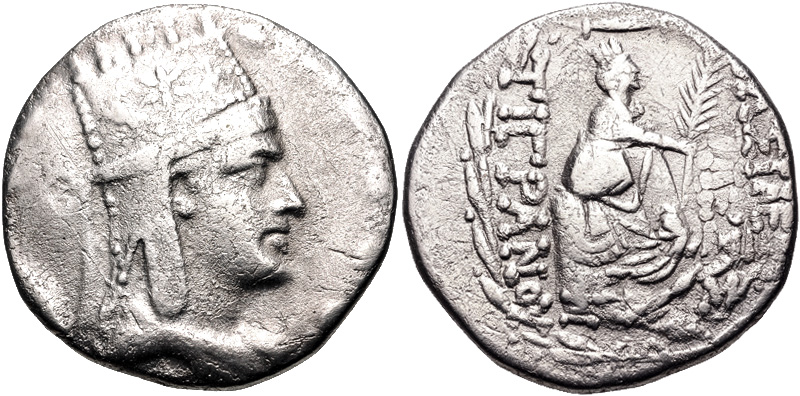
Tigranes the Great built a new capital and gave it his own name. Yet two thousand years later, historians and archaeologists still debate exactly where it stood. The mystery is complicated by one crucial fact: there was more than one city called Tigranakert.
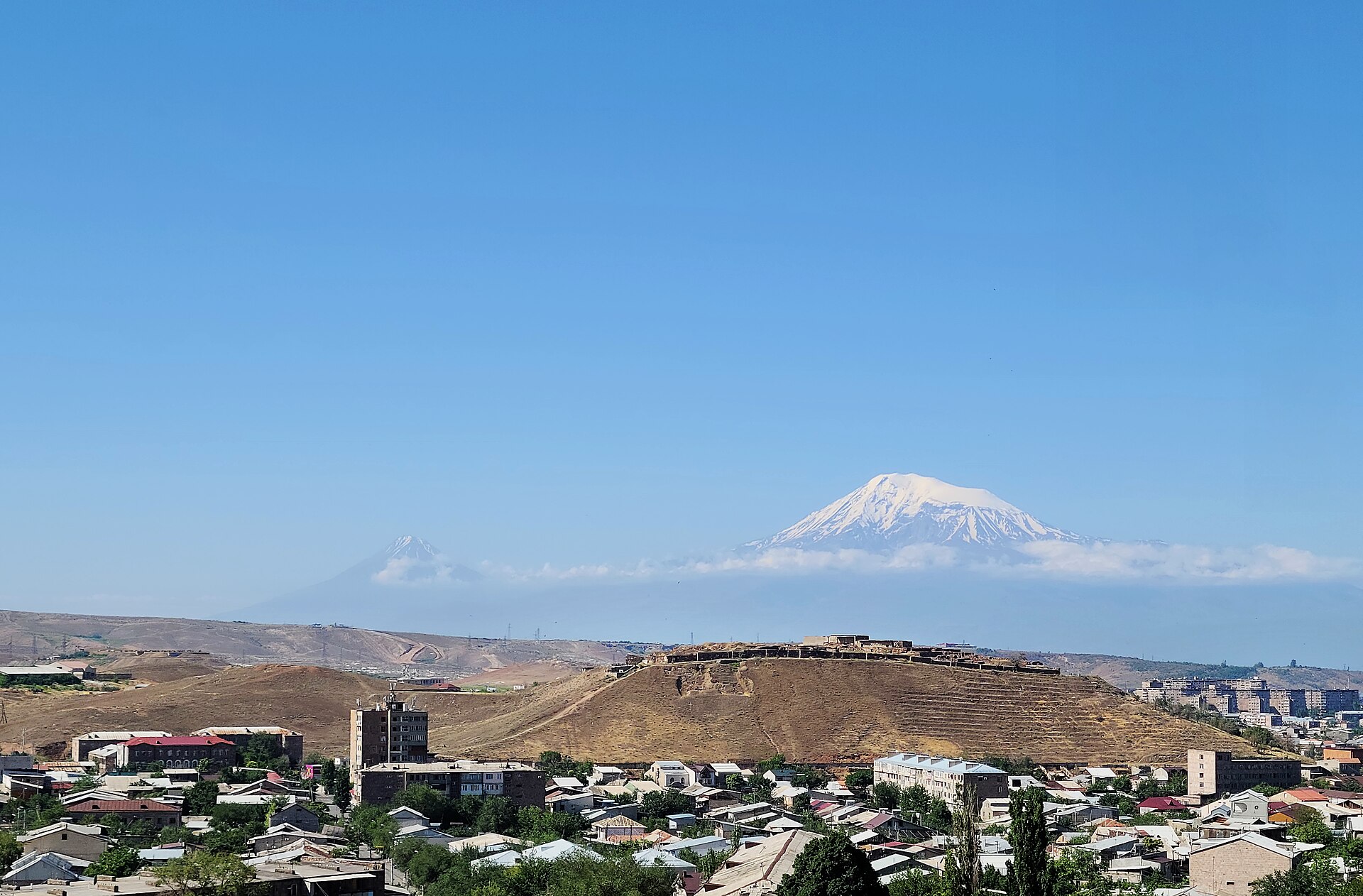
On Arin Berd hill stand the remains of Erebuni, a fortress founded by King Argishti I more than 2,800 years ago. Cuneiform inscriptions, ancient temples, wall paintings, and storehouses help reconstruct the history of one of Urartu’s most important centers and the early history of Yerevan.
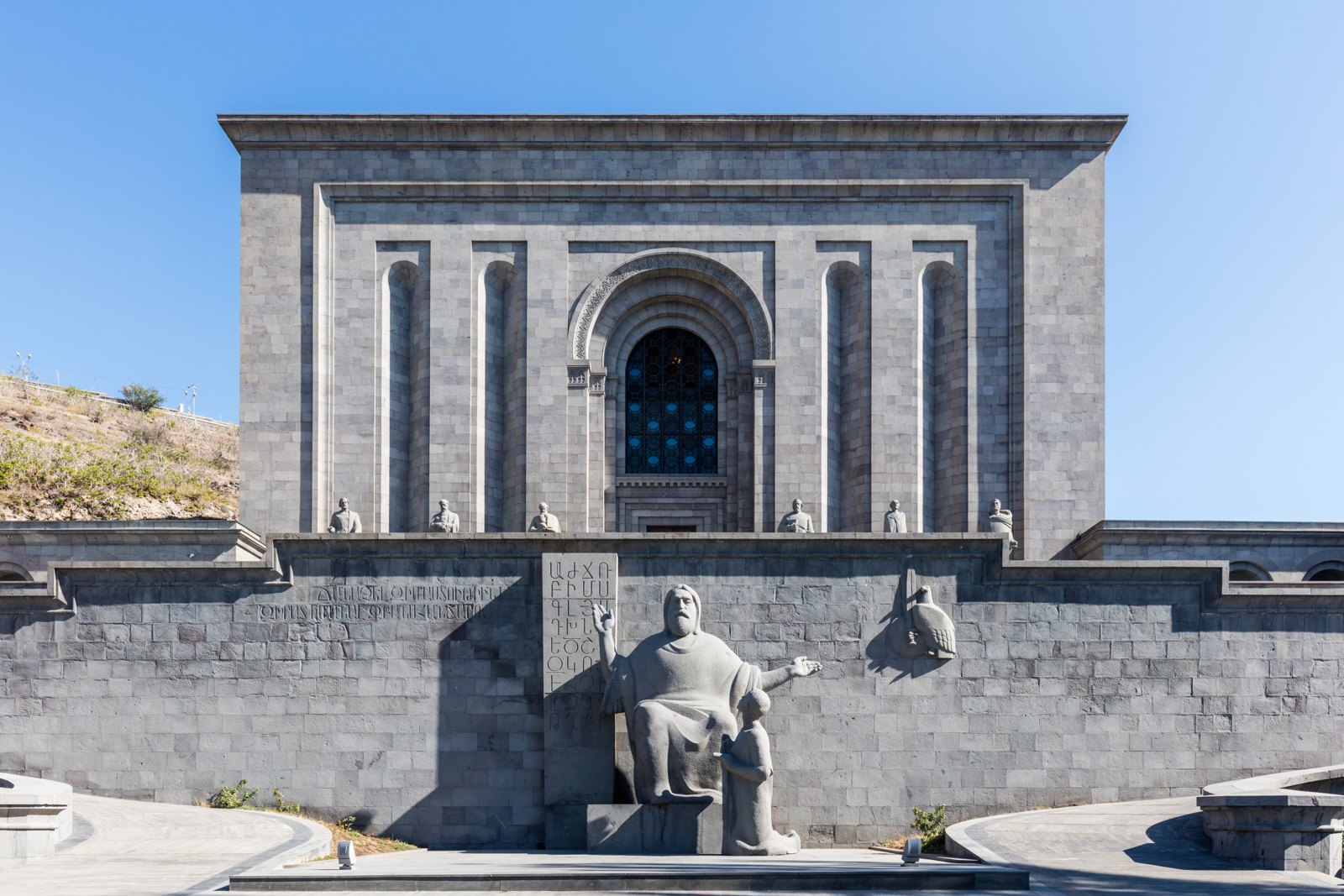
How did Mesrop Mashtots create the Armenian alphabet, why did its original 36 letters transform Armenian cultural history, and how did writing become an art form in its own right?
Category: Heritage
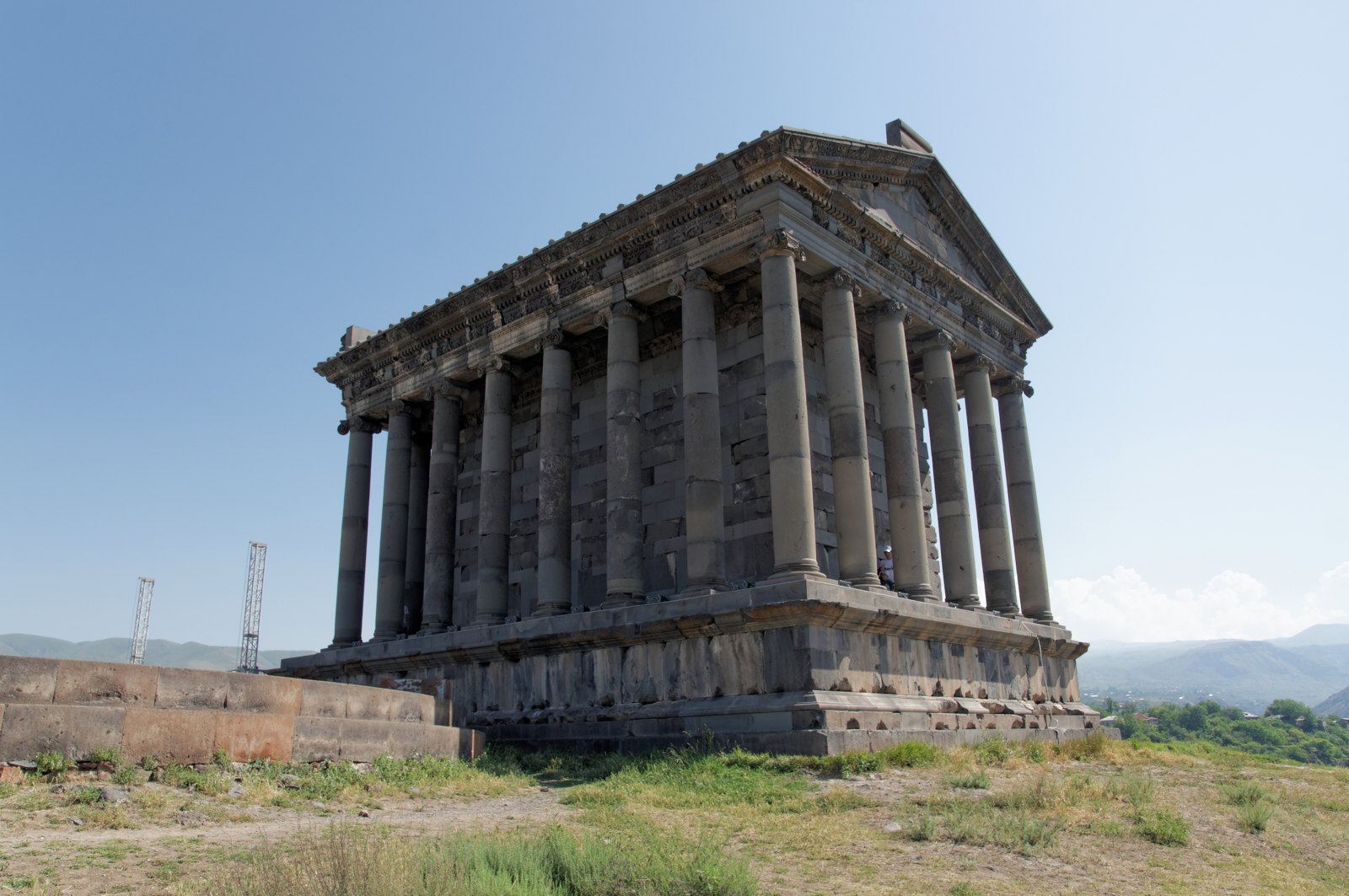
Garni is one of Armenia’s most remarkable monuments of ancient architecture. How was the royal complex organized, whom might the famous temple have been dedicated to, why did it survive Armenia’s Christianization, and how was it restored almost three centuries after a devastating earthquake?
For centuries, Dvin was one of Armenia’s most important political, religious, and commercial centers. It was home to rulers’ palaces, the residence of the Armenian Catholicos, craft districts, and international markets, while Sasanians, Byzantines, Arab rulers, and Armenian dynasties competed for control of the city.
Artashat was founded by Artashes I in the 2nd century BC and remained one of Armenia’s principal political and commercial centers for centuries. What do we know about the ancient capital, the tradition linking it to Hannibal, Roman invasions, and recent archaeological discoveries?
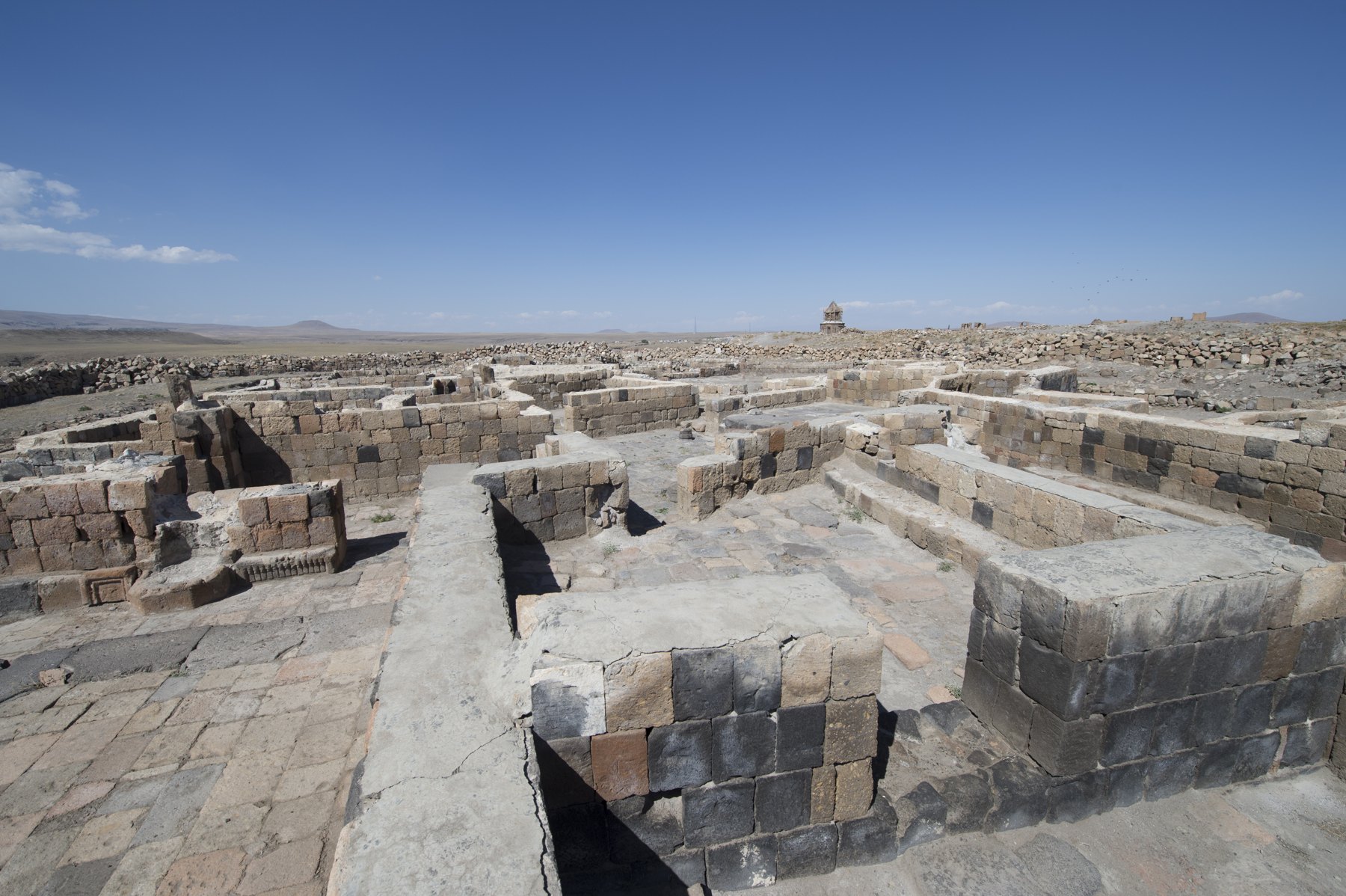
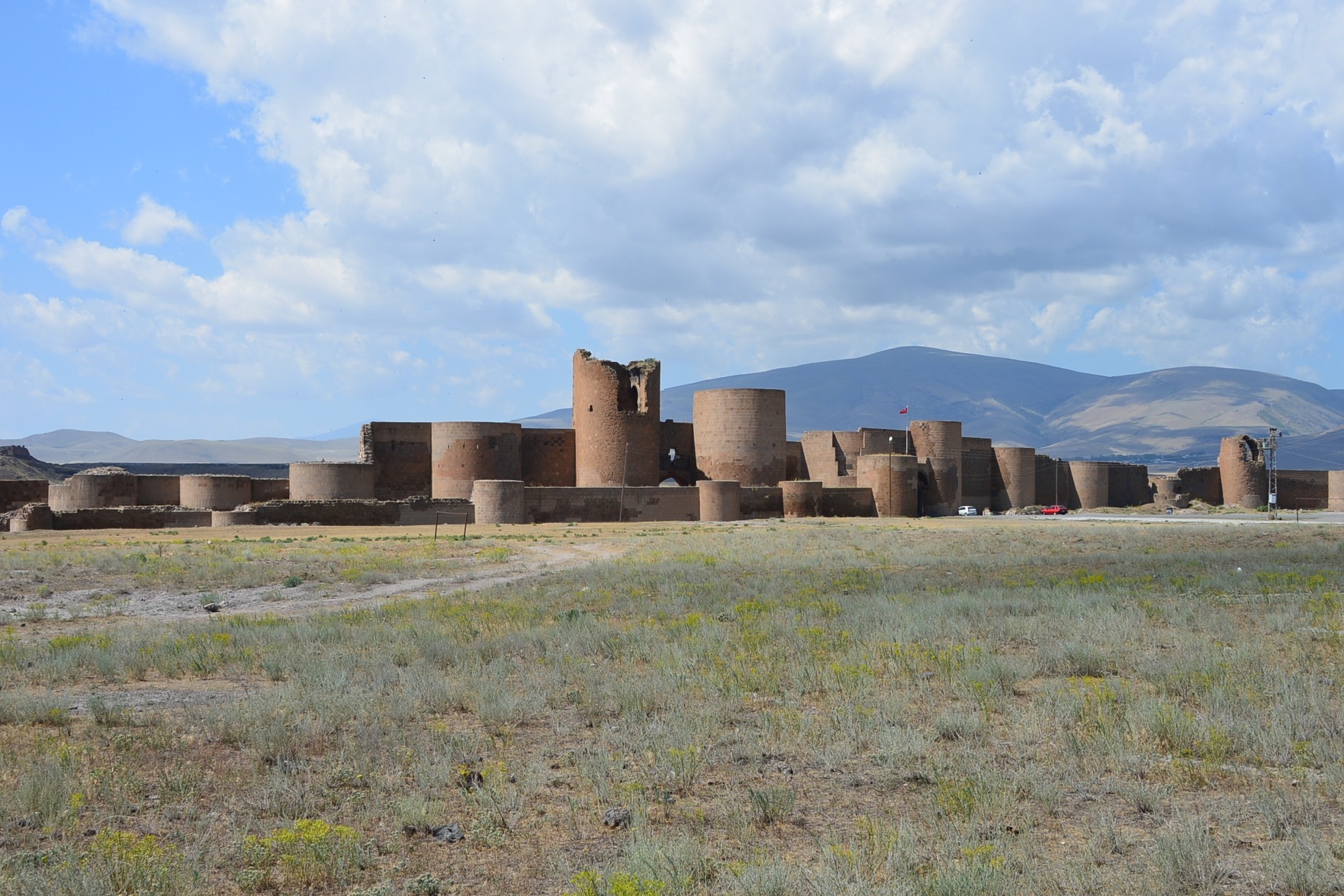
Ani was the capital of Bagratid Armenia and one of the most important centers of the medieval Armenian world. How did the city rise to its golden age, and why was it eventually abandoned?